
The Smarter Fire Playbook for WA
Layered, risk-based steps that protect people, nature, and health—without burning vast forests and ecosystems.
“Prescribed burning” means planned fires intentionally lit to reduce leaf litter and other fuels (also called “controlled” or “hazard reduction” burning). It has a role—but not everywhere, and not as a quota. The most effective approach is layered and risk-based: protect homes and towns first, then apply the right tool, in the right place, at the right time. (Biodiversity WA)
Your Home
Goal: Stop embers getting in; reduce things that can ignite your house.
Prepare your home
Clear gutters; remove flammable mats and mulch near walls; fit metal ember-proof mesh to vents; store wood and fuel away from the house; keep grass short. (Guidance aligns with NSW RFS home-prep.) (RFS NSW)
Create an Asset Protection Zone (APZ)
A fuel-reduced buffer around buildings. Maintain low, green, well-spaced vegetation; prune overhanging branches close to your home; keep access clear for trucks. (See APZ standards.) (RFS NSW)
Why this matters
In Australian bushfires, ember attack during severe weather drives most house losses; what happens at the house matters more than fuels far away. (CSIRO Publishing)
Refer to the annual Firebreak and Property Management Notice that outlines your legal responsibilities to address the bushfire hazards at your property within your local government area.
Quick wins:
Clean gutters • Remove bark mulch next to walls • Trim overhanging branches and shrubs touching roof or windows • Mesh for subfloor/roof vents • Clearly signposted property entrance.
Your Street & Community
Goal: Make the places people live defendable and evacuations safe.
Street-scale APZ & clean corridors
Keep verges, shared driveways, and evacuation routes low-fuel and accessible. (NSW Bush Fire Risk Management Plans use risk-based planning at this scale.)(RFS NSW)
Local risk plans
Embed actions in your area’s Bush Fire Risk Management Plan (BFRMP): who clears what, when, with what maintenance cycle.(RFS NSW)
Community readiness
Phone trees, refuge points, backup comms, and drills. (These are standard items in BFRMPs.)(RFS NSW)
Why this matters (evidence): House survival correlates strongly with conditions on the day and immediate surroundings; street-level fuel and access can make or break firefighting success. (CSIRO Publishing)
Town Perimeter
Goal: Treat fuels close to assets—not remote forests.
Targeted prescribed burns in the 0–1 km belt around towns and critical infrastructure—timed for mild weather, patchy, with fauna refuge retained and clear stop lines.
Mechanical options (mulching, thinning) where fire is risky to use or habitat is sensitive.
Risk-based zoning
Decide where to treat based on risk to people and property, not hectares burned. Victoria moved to a risk-reduction target in 2015 under Safer Together after abandoning an area target; the program explicitly evaluates residual risk rather than hectares. (igem.vic.gov.au, Safer Together)
NSW model
Uses Bush Fire Risk Management Plans to prioritise treatments near assets and strategic corridors; there’s no statewide hectare quota.(RFS NSW)
Why this matters (evidence): Treating the right places outperforms burning more places; large area targets don’t reliably translate to fewer losses. (igem.vic.gov.au)
The Wider Landscape
Stop doing
Chasing annual hectare targets in remote, high-value ecosystems. It’s ecologically damaging and a poor predictor of community safety. (Victoria’s IGEM recommended the shift; NSW plans are risk-based.) (igem.vic.gov.au, RSF NSW)
Keep/expand
Rapid detection and fast suppression
More towers, cameras, aircraft on ready-status, cross-agency comms. DBCA performance indicators track first-attack outcomes; a key metric is the proportion of south-west bushfires contained under two hectares (reported at ~75–79% in recent years). (Biodiveristy WA)
Data-led planning
Use fire history, ignition patterns, and weather to place treatments where they reduce risk, not to fill a map. (DBCA publishes fire history datasets.) (catalogue.data.wa.gov.au)
Aerial initial attack capacity (bombing and reconnaissance) to support ground crews in the first hours. (Biodiveristy WA)
Cultural Fire — Led by Indigenous Custodians
What it is?
Cool, small, patchy fire applied with deep local knowledge to heal Country, protect habitat, and reduce long-term risk—very different from broadscale quota burning. (firesticks.org.au)
Why it works?
Cultural burning is fire applied in the right season, at the right time and in the right way to ensure:
- the fire burns slowly
- flames stay low, preserving the canopy of trees
- only some fuels are burnt, creating safe mosaics allowing escape routes for wildlife so animals can move away from the fire
- seed banks and nutrients in the soil aren’t affected
- seed germination is supported
- flowering and nesting seasons are considered
Programs (e.g., Firesticks) document biodiversity and community benefits and are being adopted in planning pilots. (Planning NSW, NEMA)
What to do now?
Fund Indigenous-led planning, training and joint operations so cultural fire becomes core business, not an add-on. (firesticks.org.au)
Evidence Cards
Does burning more hectares reduce losses?
Not necessarily. Victoria replaced its area target with a risk-reduction target (Safer Together) following IGEM’s review that area burned is a poor performance measure. (igem.vic.gov.au, Safer Together)
Where should we burn if we do burn?
Near assets and strategic corridors, with strong stop lines and monitoring—not in remote biodiversity hotspots. (NSW BFRMPs & APZ standards.) (RFS NSW)
What saves houses?
House-level preparation + severe-weather readiness. House losses align most with fire weather and ember attack; hardening homes and APZs is crucial. (CSIRO Publishing)
What’s the role of fast suppression?
Decisive. WA tracks the share of fires kept tiny at first attack; investing here prevents small fires becoming disasters. (Biodiversity WA)
Simple Decision Rules
If the treatment area is far from towns and rich in wildlife → don’t burn by default.
Consider cultural burning, mechanical treatment, or no action if risk is low. (Risk-based approach.) (igem.vic.gov.au)
If the area is within the town belt (0–1 km)
Consider targeted, patchy burns or mechanical treatment, timed for cool, moist conditions; retain refuges and monitor fauna. (igem.vic.gov.au)
If the goal is house survival
Prioritise APZ + home hardening + street access before any remote burning. (RFS NSW)
If forecast is severe or extreme
Assume ember storms; prepare defendable space and suppression capacity, not distant burns. (CSIRO Publishing)
Simple Decision Rules
If the treatment area is far from towns and rich in wildlife → don’t burn by default.
Consider cultural burning, mechanical treatment, or no action if risk is low. (Risk-based approach.) (igem.vic.gov.au)
If the area is within the town belt (0–1 km)
Consider targeted, patchy burns or mechanical treatment, timed for cool, moist conditions; retain refuges and monitor fauna. (igem.vic.gov.au)
If the goal is house survival
Prioritise APZ + home hardening + street access before any remote burning. (RFS NSW)
If forecast is severe or extreme
Assume ember storms; prepare defendable space and suppression capacity, not distant burns. (CSIRO Publishing)
Implementation Playbooks
For councils & agencies
- Replace hectare KPIs with residual risk metrics; publish risk maps; report first-attack containment rates and near-asset treatments completed. (Model: Safer Together, IGEM.) (igem.vic.gov.au, Safer Together)
- Co-design cultural fire programs with Traditional Owners; fund training and joint decision-making. (firesticks.org.au)
- Stand up a rapid detection & suppression cell (cameras, towers, aircraft, volunteers on paging). Track response times and early containment. (Biodiversity WA)
For communities
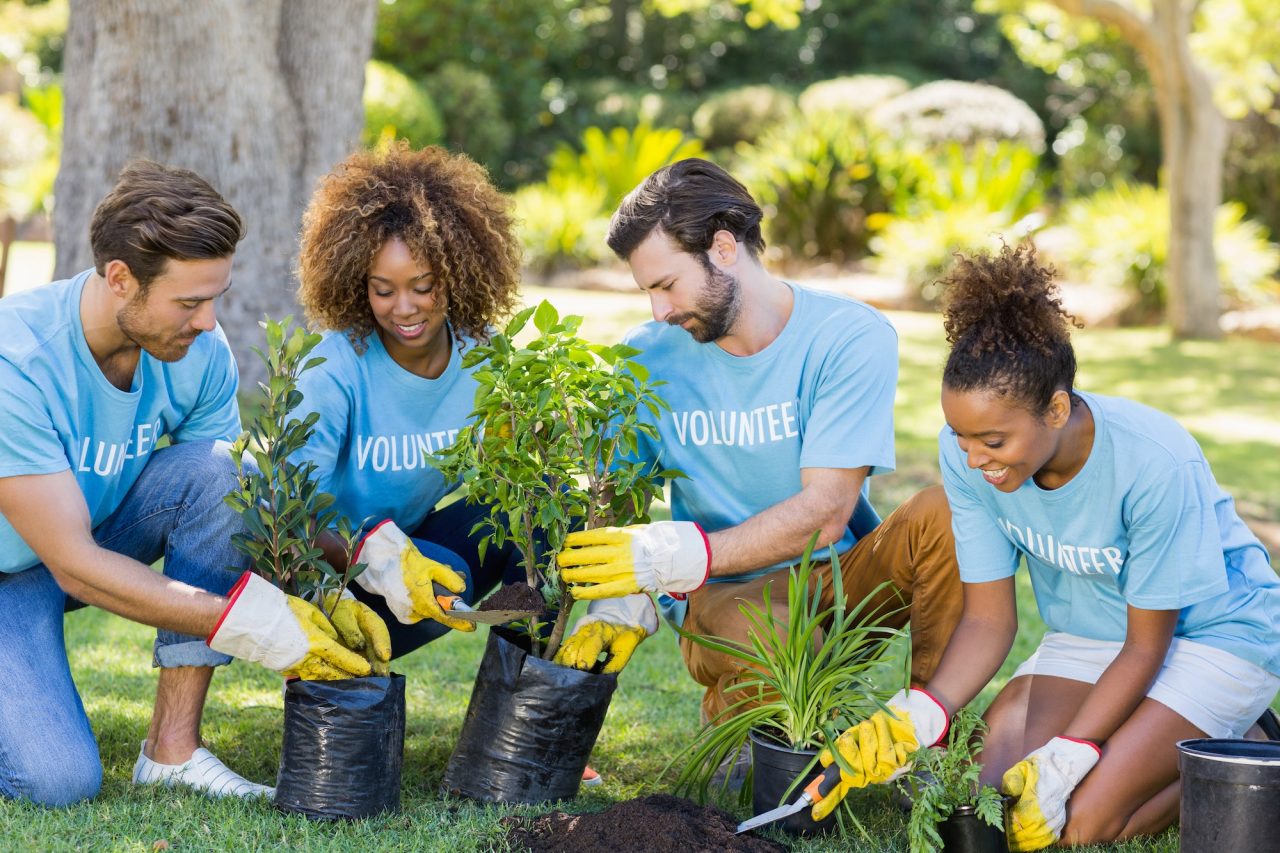
- Form a local Bush Fire Ready group; embed actions in your Bush Fire Risk Management Plans; run annual clean-up days and drills. (RFS NSW)
For landholders
- Maintain an Asset Protection Zone; manage paddock edges and fence lines; keep access points wide and signed for trucks; coordinate burns only where near-asset risk reduction is clear. (RFS NSW)
Frequently Asked Questions
No. It’s pro-smart burning: targeted near assets, paired with home hardening, cultural fire, and rapid suppression. The area-target model is what fails. (igem.vic.gov.au)
Because ember attack under severe weather is the main reason houses ignite. Home measures and APZs are proven, high-impact actions. (CSIRO Publishing, RFS NSW)
Victoria (since 2015) via Safer Together; NSW through its Bush Fire Risk Management Plans—both focus on risk reduction over hectares. (igem.vic.gov.au, Safer Together, RFS NSW)
Cultural fire + avoiding broadscale remote burns protects habitat; targeted town-belt treatments reduce human risk without flattening ecosystems. (firesticks.org.au)