
When Controlled Burns Go Wrong: The Evidence WA Can’t Ignore
Prescribed burns are meant to reduce bushfire risk. In reality, they are destroying ancient forests, killing endangered wildlife, and even escaping control to become major wildfires. We bring together the evidence and case studies showing why WA’s current burning practices must change IMMEDIATELY.
ANCIENT FORESTS INCINERATED
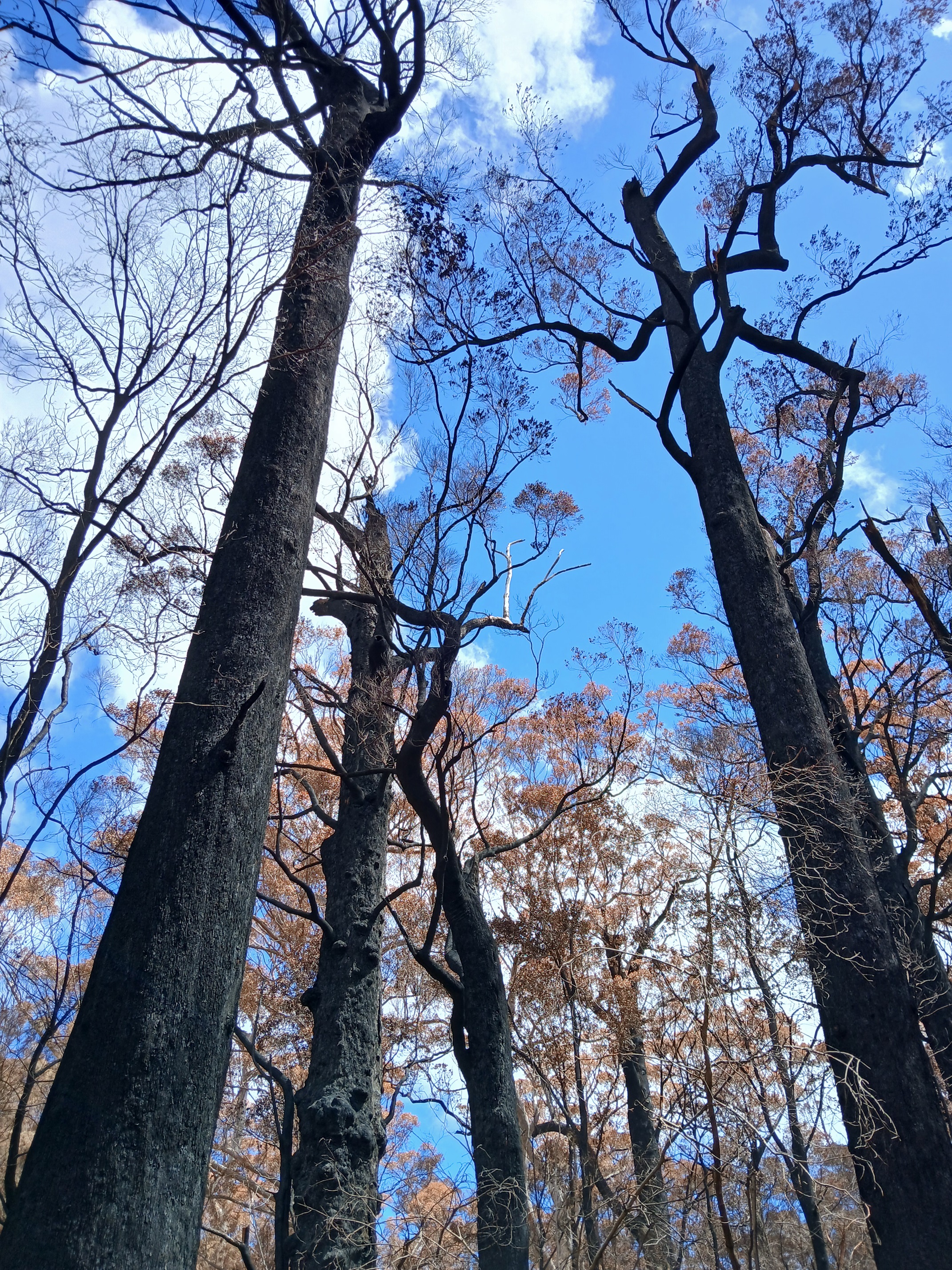
In December 2024, a government-sanctioned summer prescribed burn was undertaken in Walpole’s Valley of the Giants during the local government’s prohibited burning time.
This Red Tingle forest burn caused the collapse of over 100 large trees.
Red Tingle forest is found nowhere else on Earth with less than 60km² (6,000 hectares) remaining in the world.
- Internal DBCA documents confirmed 100 live trees and 14 standing dead (stag) trees were destroyed within less than 100 hectares, including 95 tingles, with the remaining forest standing with severely scorched tree canopies.
- Conservationists surveying a 28-hectare block within the area burned counted 60 fire-felled giants.
- Weeks later, hollow trunks were still burning like chimneys, trees were still falling and root channels and peat were smouldering underground.
- Hundreds of large nesting and habitat tree hollows for animals were destroyed.
“That is all the tingle on the whole planet,” warns Bart Lebbing of Fire and Biodiversity WA.
OUT-OF-CONTROL ESCAPES
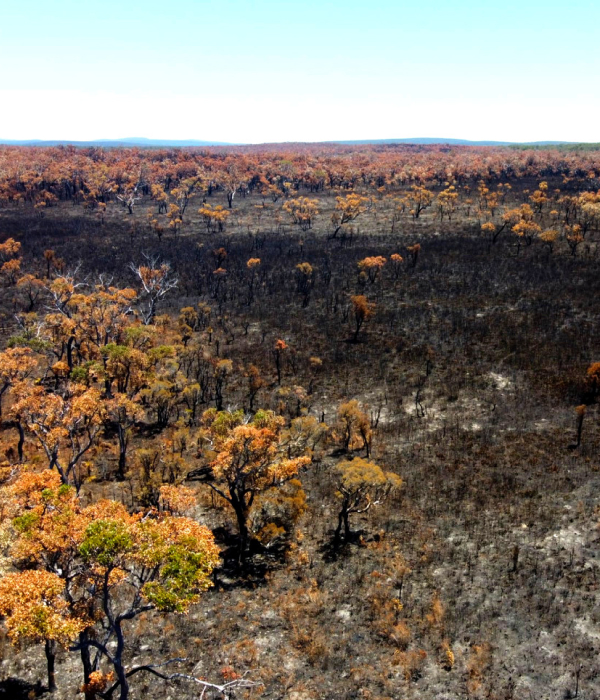
November 2022: A DBCA burn planned for 15,000 ha near Mt Frankland, in the Walpole Wilderness, blew out of control, consuming 25,000 ha — an extra 10,000 ha than planned burning through tall forests, granites, peatlands and other biodiverse ecosystems, including fire-sensitive Red-flowering gums.
- Suppression costs: $680,000.
- Botanists described the outcome as “devastating to the wilderness”.
- Sensitive habitats like peat marshes and granite outcrops were torched.
And this wasn’t isolated. There are more examples of recent prescribed burns that have escaped or burned very severely and caused damage to habitats and biodiversity.

FRAGILE ECOSYSTEMS BURNT
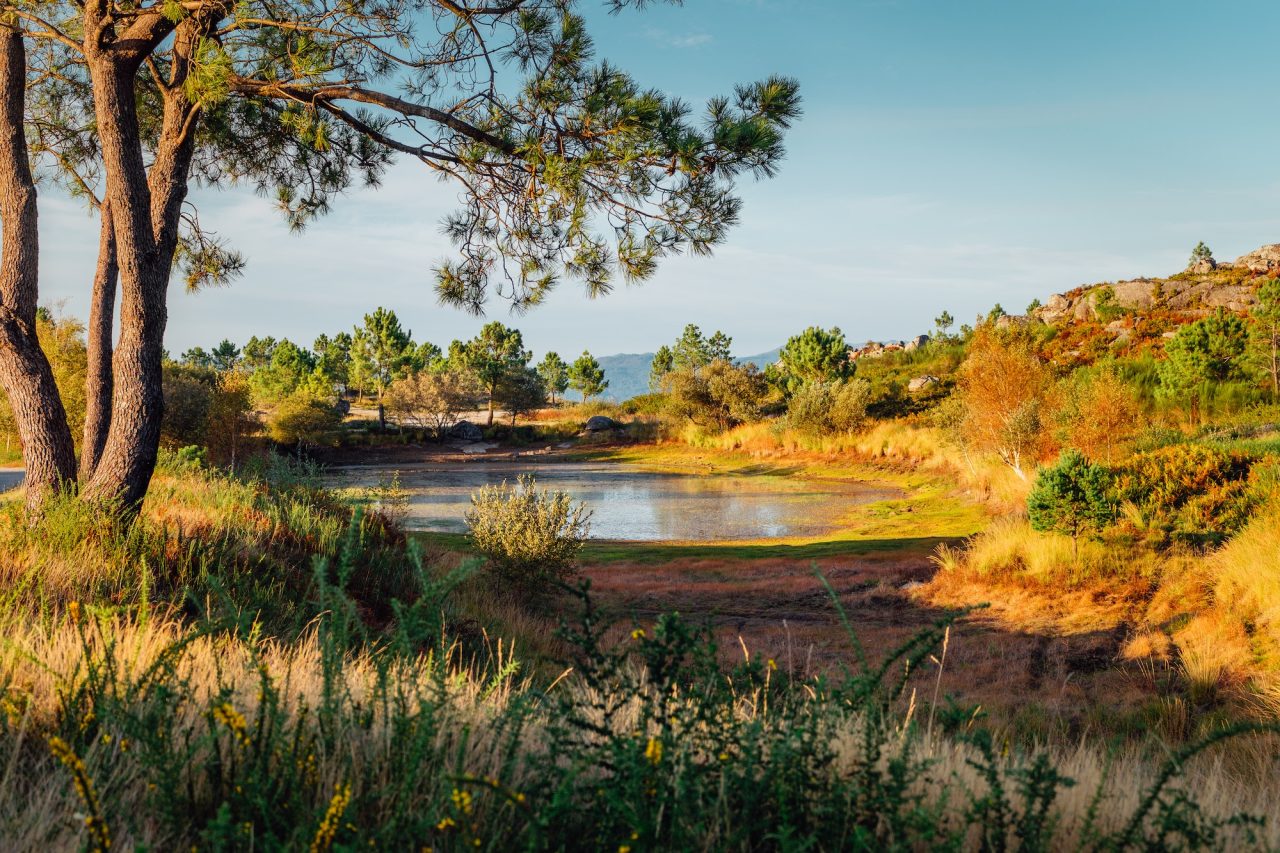
- Area affected: 3,500 ha including irreplaceable peat wetlands.
- Conservationist and scientist, Catherine Spaggiari described the amount of destruction as “mind-blowing...it's almost like a tornado has gone through here."
- Professor Stephen Hopper warned: “A single fire can take out a peat swamp and it’s 5,000 years to reset the clock”.
Empodisma peatland is federally listed as an ‘endangered’ Threatened Ecological Community, the primary source of that threat is DBCA’s prescribed burning program.
WILDLIFE LOSSES
- 2018 Warrungup Spring Reserve burn: 17 of 22 tracked ringtail possums killed (Leeuwin Group, 2019).
- 2021 Perup burn: up to 65 numbats killed — nearly an entire endangered population.
- 2024 Blue Holes burn: critical habitat for quokkas, phascogales, and possums incinerated.
- Experts warn the world’s largest wild quokka population in Walpole is at risk.

Why this Must Stop
Dense regrowth makes fires worse
Flammability increases soon after burning
Scientifically unsound hectare targets
The Evidence is Clear - WA Must Change
Killing ancient trees and endangered wildlife.
Destroying fragile ecosystems like peat swamps.
Escaping into megafires of its own making.
Even increasing long-term fire risk.